Why Australia is Ideal for Eco-Friendly Travel Enthusiasts
Rich Ecosystems and Biodiversity
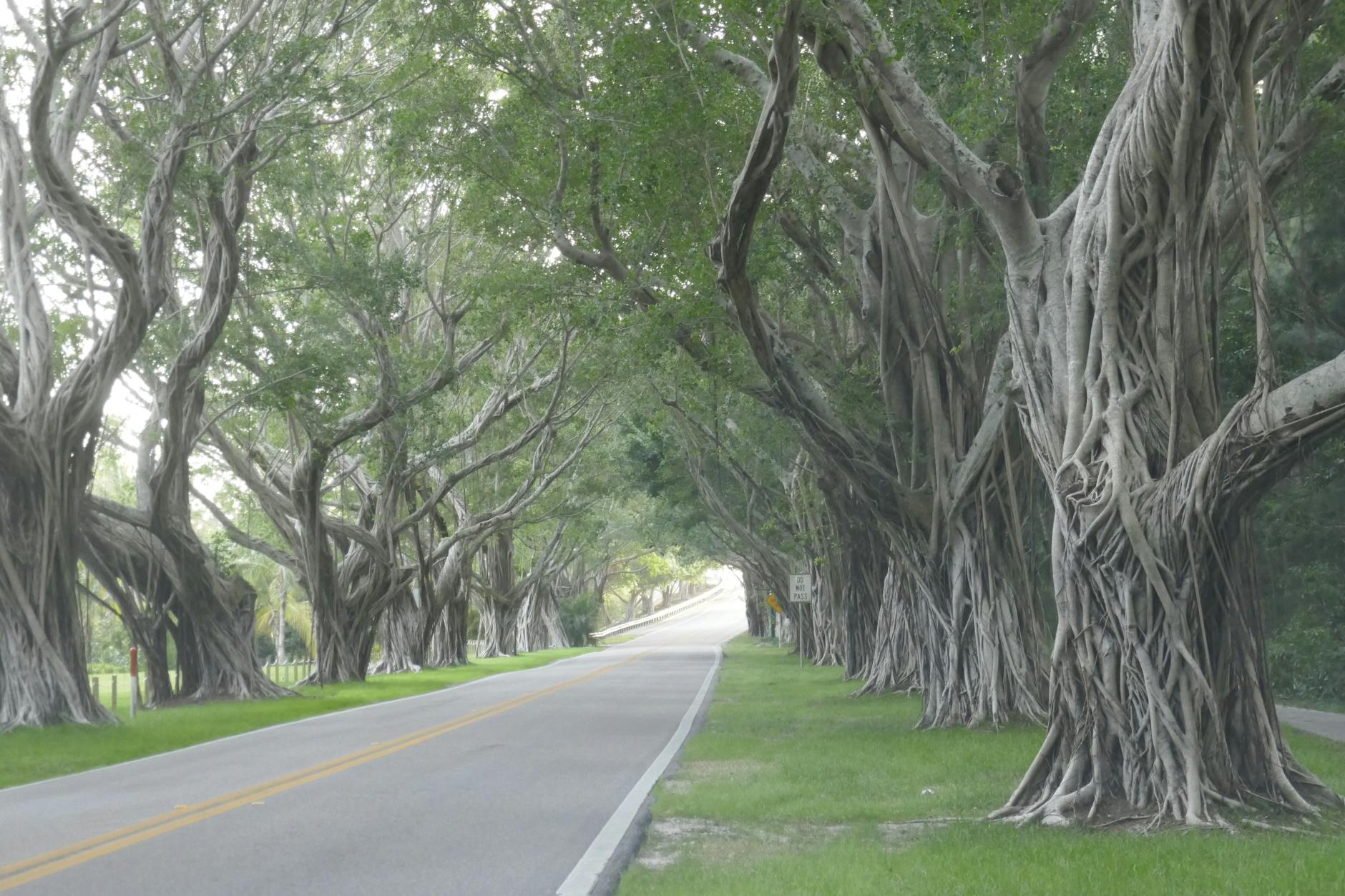
Australia is a fascinating melting pot of rich ecosystems and biodiversity, something I witnessed firsthand during my time at the Royal Botanic Gardens Victoria. This country's landscapes house a wide array of flora and fauna, many of which are unique to the region and essential for ecological balance. For those who want a varied experience in nature, gorilla trekking rwanda offers insights into distinct ecosystems around the globe, reflecting on how crucial it is to maintain biodiversity.
Exploring Marine Sanctuaries
Australia's marine sanctuaries are a testament to the country's dedication to preserving its diverse underwater life. As someone passionate about marine ecology, exploring these protected areas feels like diving into a vibrant tapestry of marine life. The sanctuaries serve as a sanctuary for species found only in these waters. Travelling sustainably to such places reinforces my belief in eco-friendly practices, much like when considering ethical antarctica cruises which promise minimal disturbance to pristine environments.
Unique Flora and Fauna
Many of Australia's unique plants and animals, like the delightful quokka or the majestic eucalyptus trees, are safeguarded through conservation efforts. Visiting sites such as the eco-friendly tours in Yarra Valley highlights the importance of maintaining natural habitats. It's akin to participating in polar expeditions where the focus is on observing untouched wilderness while enhancing one's understanding of global biodiversity.
National Parks and Reserves
Venturing into Australia's national parks and reserves, you'll find ecosystems that encapsulate the country's natural splendors. These protected spaces are crucial for conserving not just wildlife, but also the landscapes they inhabit. Having been involved in sustainability initiatives at CERES Community Environment Park, I am acutely aware of the importance of these reserves in fostering ecological knowledge and conservation practices.
Eco-Friendly Transportation
Sustainable Public Transit Options
As someone deeply invested in conservation efforts, I have found Melbourne's public transit system remarkably accommodating for eco-friendly travel. With its extensive network of trams powered by renewable energy, getting around the city feels as responsible as it is convenient. Discovering sustainable public transit options has become a priority for me whenever I travel. Whether you're travelling within Melbourne or planning a broader adventure like central america tours, integrating sustainable options helps maintain ecological balance.
Green Auto Rentals and Sharing
Exploring Australia's scenic vistas can be both exciting and sustainable, thanks to the growing availability of green auto rentals and sharing services. Embracing these eco-friendly alternatives aligns with my passion for preserving nature, allowing me to explore diverse regions without a heavy carbon footprint. Supporting these services furthers conservation efforts, making it easier for others to follow suit. Considering green transport options becomes even more crucial when exploring locales rich in biodiversity, like the striking terrains seen in south america tours.
Cycling Routes and Trails
Cycling has been my personal escape into nature, fostering an authentic connection with the landscapes I traverse. Melbourne's cycling routes, such as those extending to the Yarra Valley, offer the dual benefit of exercise and sustainability. The region’s eco-friendly tours and trails enable travellers to experience the environment’s beauty with minimal ecological interference. Engaging in this form of transportation doesn’t just lower emissions; it transforms how we interact with the environment. It's a vital practice for anyone dedicated to preserving our planet, enhancing both the individual experience and broader impact.
Eco-Conscious Accommodations
Eco-Lodges and Retreats
In my journey as a passionate environmentalist from Melbourne, I've discovered the appeal of eco-lodges and retreats as exemplary models of sustainability. These accommodations often integrate renewable energy and locally-sourced materials, fostering an immersive experience in nature without compromising its integrity. Emphasizing minimal environmental impact, these lodges offer unique ways to connect with the surroundings. For instance, many provide opportunities to engage in nature walks, educating guests about local ecosystems akin to the eco-friendly tours found in Yarra Valley.
Certified Green Hotels
Another excellent choice for eco-conscious travelers is certified green hotels. These establishments prioritize sustainability through water conservation, energy-efficient practices, and comprehensive recycling programs. During one of my south american tours, I observed how such hotels not only reduced their ecological footprint but also enhanced the overall experience by offering organic dining options and eco-friendly amenities. Certification ensures that these hotels meet stringent criteria, providing guests with peace of mind that their stay supports the environment.
Camping in Nature
Camping presents an ideal avenue for those who wish to fully immerse themselves in nature. Equipped with sustainable camping gear, it’s possible to enjoy the beauty of the wilderness responsibly. Fully experiencing the great outdoors can heighten one's appreciation for conservation efforts, echoing the inspiring initiatives at places like CERES Community Environment Park. Whether under the stars or near pristine waters, such as those seen during a galapagos cruise, camping encourages a profound connection with the earth.
Ethical Wildlife Experiences
Engaging in ethical wildlife experiences can profoundly enhance your appreciation for our planet’s diverse habitats. During a Tanzania safari, for example, I witnessed the harmonious coexistence of various species in their natural habitat, a vivid reminder of the importance of conservation efforts. Just as we have eco-friendly tours in Yarra Valley, Africa offers tours designed to observe wildlife responsibly, ensuring that your presence does not disturb the delicate balance of the ecosystem.
When considering an Africa safari, it's crucial to select tours that prioritize ethical practices. Look for operators who are committed to sustainable tourism, such as those that employ local guides who understand the intricacies of the environment and promote conservation awareness. Ethical wildlife tours serve to protect biodiversity while providing visitors with genuine encounters with nature.
For those interested in marine life, volunteering in marine conservation projects can be rewarding. These initiatives often involve collecting data on species populations, which aids in the development of conservation strategies. Ethical birdwatching tours, much like those offered in birdwatching paradises, focus on observing avian life without impacting their habitats.
Choosing experiences that emphasize sustainability not only supports local economies but also promotes the preservation of the ecosystem. It's these conscientious choices that lead to a more meaningful travel experience, where your adventures contribute positively to the locations visited.
Embrace Eco-Conscious Travel Practices
Sustainable Practices for Minimal Impact
Sustainable travel is about adopting habits that respect the environment, ensuring our treasured natural spaces, like the Royal Botanic Gardens Victoria, remain pristine. I've personally found that adhering to the Leave No Trace principles is not just a guideline but a way of life that transforms and enriches my interactions with nature. These principles include carrying reusable water bottles, which reduces reliance on single-use plastics, and packing out all waste. This simple commitment ensures our trails and eco-friendly tour spots, such as those in Yarra Valley, remain free of litter, fostering a healthier ecosystem for our unique flora and fauna.
Championing Local Eco Initiatives
Supporting local eco-friendly businesses can profoundly impact both the economy and the environment. During my ventures into the sustainability projects at CERES Community Environment Park, I've seen firsthand how prioritising these initiatives can sustain both community livelihoods and our planet. Opting to stay at green accommodations, using green auto rentals, or indulging in organic local produce are all excellent ways to ensure our travels bolster rather than burden the environment.
Reduce Your Emissions
To significantly cut down on your carbon footprint, consider using alternative modes of transport. I often take the opportunity to cycle or use Melbourne's impressive sustainable public transit options, soaking in the city's vibrant ecology while cutting down on emissions. Even small actions, like choosing fuel-efficient vehicles or participating in carbon-offset programs, contribute positively to the planet. Each step towards sustainability, no matter how small, is a step towards safeguarding biodiversity for future generations.